
Introduction
Soft close hinges are a contemporary innovation for those homeowners who desire their cabinet doors to close gently and without any noise. They are designed with a special mechanism that will ensure that the door does not close with force hence avoiding the noise and the banging on your kitchen cabinets or drawers. But, after some time, you may realize that these hinges require some tweaking—perhaps the doors are not closing as slowly as they should, or not in the right alignment, or not at all. In this guide, you will learn how to fix soft close hinges and the basic steps to follow when troubleshooting and maintaining them.
This guide is intended to assist you in how to correctly install, troubleshoot and maintain soft close hinges for your cabinets. Whether it is a kitchen door that has come off its hinge or a hinge that does not shut properly, this article will prepare you for all of it. You will also learn some basic guidelines on how to avoid some issues and how to take care of your soft close hinges in the long run.
Understanding Soft Close Hinges
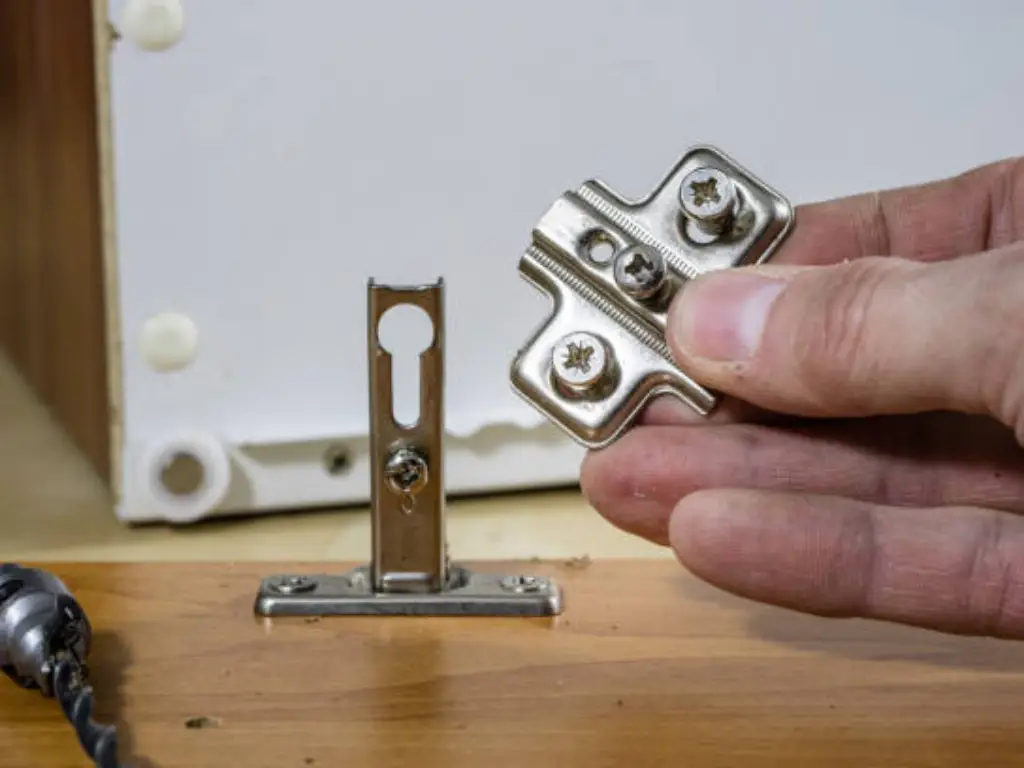
Soft close hinges have an in-built hydraulic system that determines the rate at which the cabinet doors close. The hydraulic damper is located inside the hinge and as the door is pushed shut, the hydraulic damper reduces the speed of the door just before it is completely shut. There are some hinges that have screws that can be turned to make the door close faster or slower according to your desire. If these screws get loose or the hydraulic system gets worn out, a simple tweaking will be enough to get the hinge back to normal and your cabinet doors will continue to function as they should.
The primary benefit of soft close hinges is that they do not allow the doors of the cabinets to shut with a bang. This not only makes the home environment more serene but also helps in preserving the cabinetry from damage hence increasing its durability. Besides, soft close hinges are a safety measure since they minimize the chances of fingers getting pinched in doors found in homes with children. Thus, it is crucial to learn how to adjust soft close hinges when performance problems occur to retain these advantages.
How to Know if Soft Close Hinges Need Adjustment
Here are several signs that your soft close hinges may need adjustment. Some of the most apparent symptoms include when the door does not shut properly. If after you have tried to close your soft close cabinet, the cabinet remains slightly ajar, then the hinges may have moved or the adjustable screws may have become loose with time. Also, if the door is closing too fast, it may be a sign that the tension of the hinge should be decreased. On the other hand, if the door closes too slowly or if it does not close smoothly, then the tension might have to be turned up.
The second sign to look for is misalignment. In case the door appears to be out of square or does not fit flush with the other cabinets, it is advisable to check the hinge assembly. In the course of time, the hinges of the doors may wear out and therefore may not be in the right position. These problems can be solved by tightening the mounting screws or by adjusting the hinge plate. If you observe these signs, it is high time that you follow the next steps for the right soft close hinge adjustment.
| Signs | Possible Causes | Suggested Fixes |
| Door doesn’t close all the way | Hinges have shifted or adjustable screws loosened | Tighten the adjustable screws or realign the hinge mechanism |
| Door closes too quickly | Hinge tension is too low | Reduce the hinge tension by adjusting the tension screw |
| Door closes too slowly | Hinge tension is too high | Increase the hinge tension to speed up the closing mechanism |
| Door doesn’t close smoothly | Tension imbalance or dirt in the hinge | Clean the hinge and adjust the tension for smoother operation |
| Misaligned door (crooked or uneven) | Mounting screws are loose or hinge shifted | Tighten the mounting screws or realign the hinge plate |
| Door rubs against the cabinet frame | Door or hinge is misaligned | Adjust the horizontal arm or hinge alignment |
Preparing to Adjust Soft Close Hinges
Tools and Materials Needed for Adjustment
| Tool | Usage Scenario | Benefit |
| Phillips Screwdriver | Adjusting the mounting screws and other parts of the hinge. | Essential for precise hinge adjustments. |
| Adjustment Wrench | Fine-tuning the hinge’s alignment or tension settings. | Allows for small, accurate adjustments. |
| Hammer | Correcting misalignment or tapping components into place. | Useful for more stubborn alignment issues. |
| Shim | Fixing gaps caused by misalignment or warped cabinet doors. | Helps create an even surface for proper closure. |
| Cloth/Duster | Cleaning debris or dust around the mounting plate and hinges. | Ensures that dirt doesn’t interfere with the adjustments. |
To start with, ensure you have the following tools when you are planning to adjust soft close hinges. Usually, you will require a Phillips screwdriver, which is used in turning the mounting screws and other components of the hinge. A small adjustment wrench is also useful for fine-tuning the position of the part in question. Sometimes you may require a hammer or shim to address the misalignment problems or if your cabinet doors are in contact with the frame. It is always advisable to pay particular attention to the hinges in order to identify any special problem before beginning.
It will also be easier if you have the right tools to use so that you do not spend a lot of time on the process. You should also check the interior of your cabinet to see whether the mounting plate and the edge of the cabinet contain any debris or dirt since they may affect the adjustments.
Identifying Common Issues with Soft Close Hinges
- Slamming Doors: Indicates the tension setting is too low and needs adjustment.
- Hinges Stop Soft Closing: May be caused by dirt buildup or a malfunctioning hydraulic mechanism.
- Misalignment: Loose hinges or worn-out screws can cause crooked doors or doors that won’t fully close.
- Warping: Older hinges may warp due to humidity or prolonged use, leading to improper door closure.
- Loose Screws: Over time, screws may loosen, affecting the hinge’s performance and door alignment.
- Tension Issues: If the door closes too fast or too slow, the tension on the hinge likely needs to be adjusted.
Soft close hinges are known to experience several issues over time as listed below. Doors slamming are one of the first signs that the tension level should be changed. At other times the hinges may stop soft closing completely, this could be as a result of dirt accumulation or problems with the hydraulic system. Another common issue is misalignment due to loose hinges or worn screws, which results in doors that are not parallel to the floor or walls or doors that do not shut properly.
This is important when diagnosing problems because one may need to change the horizontal arm for alignment or the hinge for closing speed. Older hinges may also bend due to humidity or frequent usage, and may need more extensive repairs or even replacement. Knowing the problem correctly will lead you to the right soft close hinge adjustment technique.
Step-by-Step Guide to Adjusting Soft Close Hinges
Step 1: Locate the Adjustment Screws
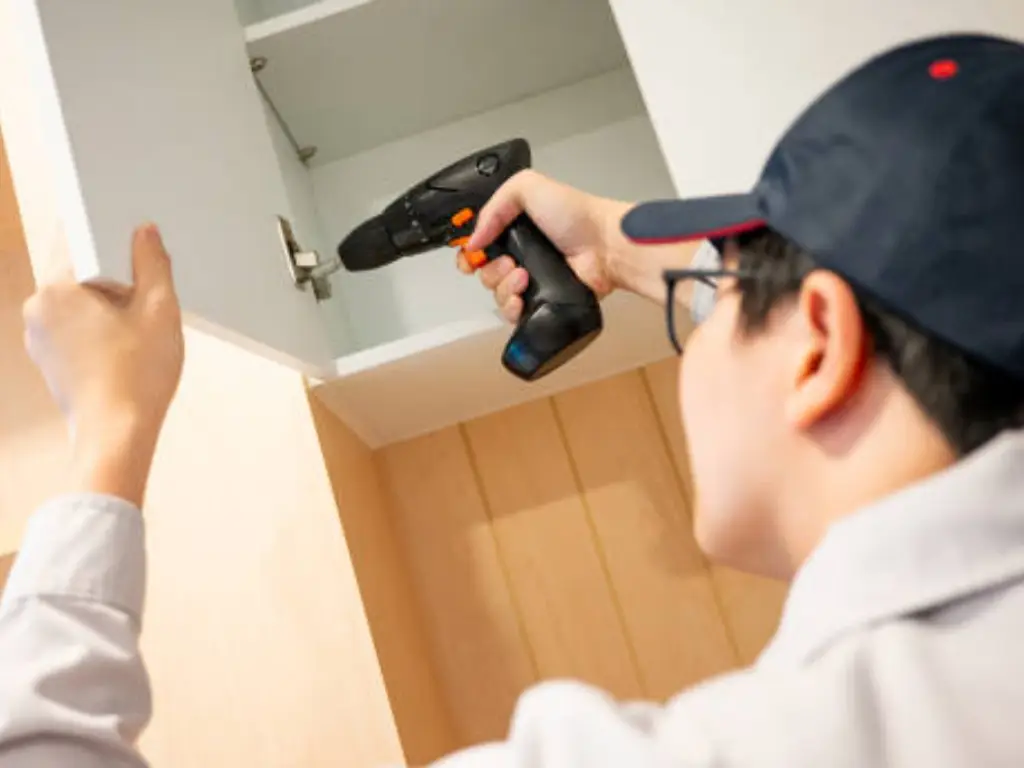
To begin with, the process of adjusting soft close hinges, you will have to look for the screws that are provided on the hinges. There are usually several screws on most soft close cabinet hinges for different adjustments. The top screw is usually used to adjust the horizontal position while others are used to adjust the tension for the soft close function. Before you start, make sure you know which screw is for which adjustment function.
Step 2: Making Side-to-Side Adjustments
If your cabinet doors are misaligned, then you will have to correct the side to side alignment by using the horizontal adjustment screw. Tighten the screw a little and then adjust the door to the right position. After that, screw it back to lock the position of the two parts. This step helps you to make sure that your kitchen cabinet doors do not touch the edges of the cabinet box when closed.
Step 3: Adjusting the Closing Speed
To change the closing speed, find the tension adjustment screw. By tightening the screw clockwise, the tension of the hinge will be increased and the door will close faster while loosening the screw will slow down the closing of the door. This adjustment is important if your doors are closing too slowly or slamming shut. Changing the closing speed enables you to control the manner in which your soft close cabinet doors close with a lot of precision.
Step 4: Testing and Fine-Tuning Adjustments
After making the adjustments, one should close the door a few times to feel the changes that have been made. If the door does not close properly or if it still appears to be off, then you may have to go through the process of aligning the door again. It is always wise to make small changes and then try them out as this will help in determining the best results. Further adjustments and calibration will be made to make the hinge work as intended.
Troubleshooting Soft Close Hinges
What to Do if Soft Close Hinges Don’t Close Properly
- Check for Dirt and Obstructions: There may be dirt that accumulates around the hinge and this may hinder the movement of the hinge, so clean the area first.
- Inspect Tension Settings: If the door closes too fast or too slow, turn the tension screw to set the right speed of the door.
- Tighten Loose Screws: Make sure all screws including those on the mounting plate are well tightened.
- Realign the Door: If the door is misaligned, then you need to adjust the side to side position with the help of the adjustment screws.
How to Fix Soft Close Hinges That Are Misaligned
- Adjust the Horizontal Arm: If the door doesn’t sit flush with the cabinet, then the horizontal arm should be adjusted to make it do so.
- Correct Warped Doors: If the door has warped due to humidity or wear, then the shims should be used or the hinge height should be altered.
How to Replace a Faulty Soft Close Hinge
- When to Replace: If the hydraulic mechanism or dampers inside the hinge are damaged, then the hinge may require replacement.
- Steps to Replace: Remove the old hinge, place the new one in the right position to the mounting plate and screw it in.
Check for Door Rubbing Against Cabinet
- Adjust the Vertical and Depth Screws: If the door is rubbing against the cabinet when closing, then the vertical or depth screws will help in rectifying this problem.
Maintenance and Prevention Tips for Soft Close Hinges
For your soft close hinges to remain in good working condition, it is advisable that you follow a certain maintenance schedule. It also keeps the hinge mechanisms well oiled and reduces the amount of wear that they are subjected to over time. It is also crucial to ensure that the cabinet doors are well aligned – even minor misalignments can cause stress on the hinges and lead to their deterioration. It is recommended that you should change the doors occasionally and do some minor repairs so that you do not have to replace the hinges often.
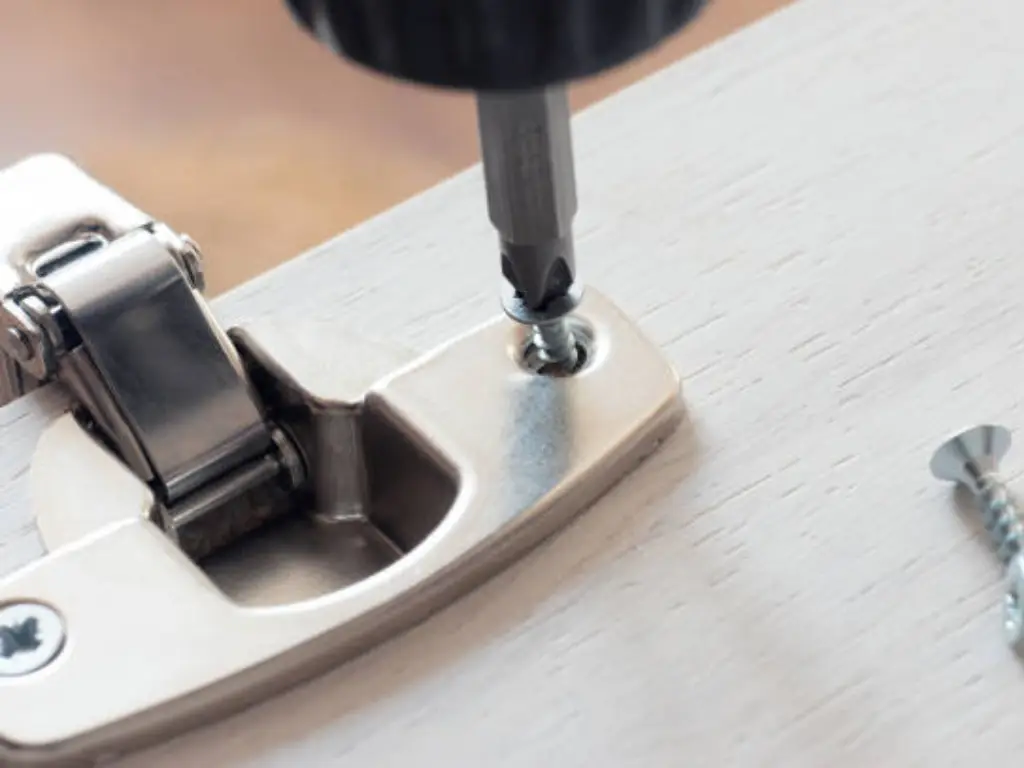
It is important to prevent the occurrence of some of the problems associated with soft close hinges. It is recommended to check the screws and tighten them from time to time to avoid situations when they become loose and lead to improper closing or misalignment. Dirt and dust can also accumulate within the hinge and this will also cause the hinge to function abnormally, hence the need to clean the hinges frequently. Ensure that when making adjustments, screws should not be over tightened as this will cause the door to be misaligned and may cause more stress on the hinge in future. By applying these preventive measures, you can ensure that your hinges will operate smoothly for years.
Conclusion
This article has provided you with all the information you will ever need to know about soft close hinges adjustment. These tips will assist you in maintaining your kitchen cabinets and understanding how they work as well as how to fix some of the problems that may arise. This way, your cabinets will close softly and will serve you for many years if you maintain and adjust them properly. If you have some persistent problems, do not hesitate to consult more or even think about the hinge replacement.


 English
  Spanish
  Russian
  French
  German
  Italian
  Polish
  Dutch
Dutch  Greek
Greek  Turkish
  Romanian
  Hungarian
  Portuguese
  Arabic
  Japanese
  Korean
  Indonesian